AVSS Wire Market Analysis & Applications | JASO D611 Cable Manufacturer
In the rapidly evolving automotive industry, every gram of weight and every millimeter of space matters. As global automakers strive for higher fuel efficiency, extended electric vehicle (EV) ranges, and more advanced electronic control systems, the demand for lightweight and compact electrical components has skyrocketed. At the heart of this electrical revolution is the AVSS wire—a highly specialized, super thin-wall cable defined by Japanese automotive standards.
For automotive wiring harness assembly plants and auto parts procurement managers, understanding the market dynamics and technical applications of the Japanese standard automotive wire is crucial for maintaining a competitive edge.
In this comprehensive guide, we will dive deep into the market trends of AVSS wire, explore its critical applications across vehicle systems, and explain why partnering with a proven, 30-year cable manufacturer is your best strategy for supply chain success.
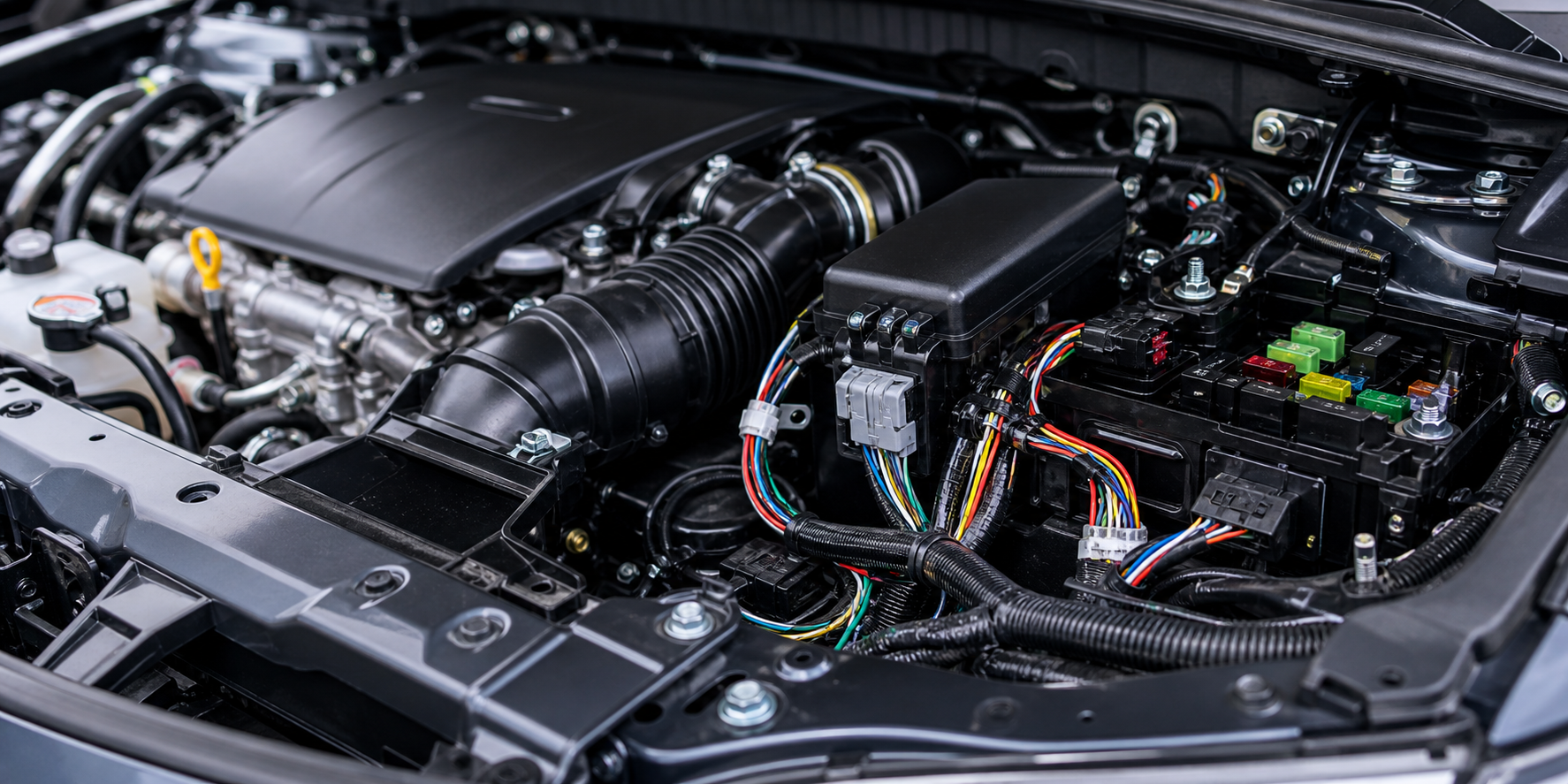
What is AVSS Wire? Understanding the JASO D611 Standard
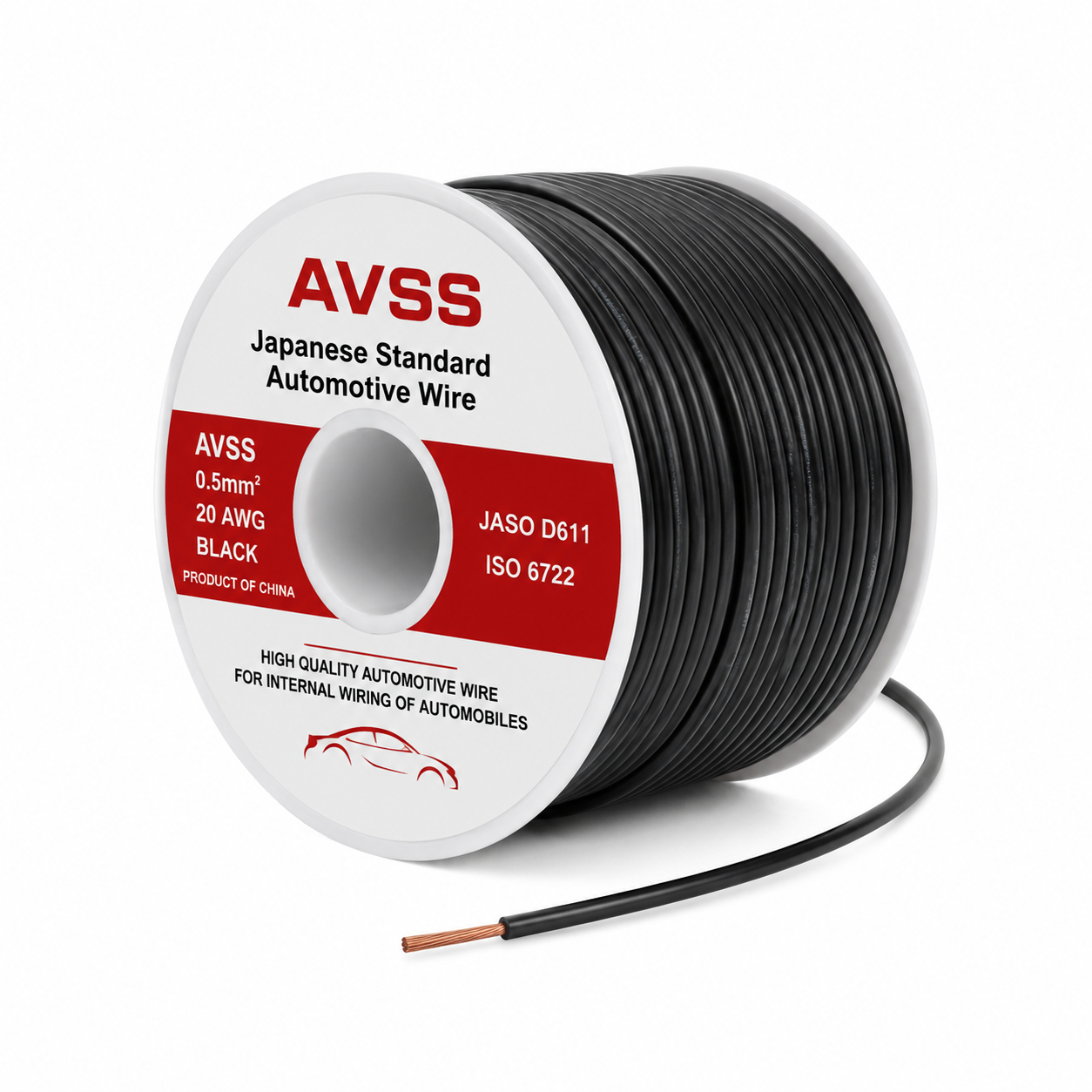
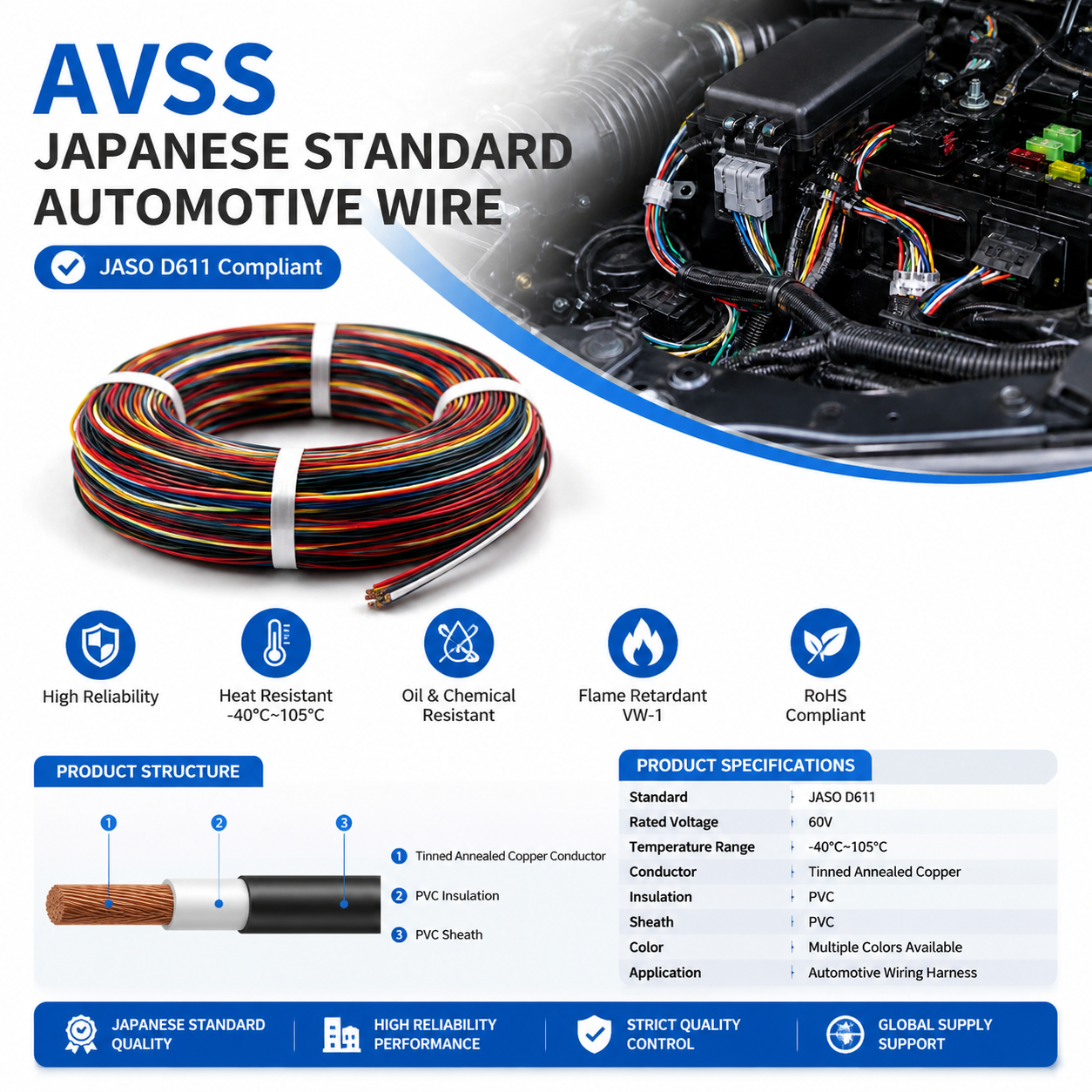
Before analyzing the market, it is essential to understand what makes AVSS wire unique. "AVSS" stands for Automobile Vinyl Super-thin wall Stranded wire. It is strictly manufactured according to the JASO D611 (Japanese Automotive Standards Organization) specification.
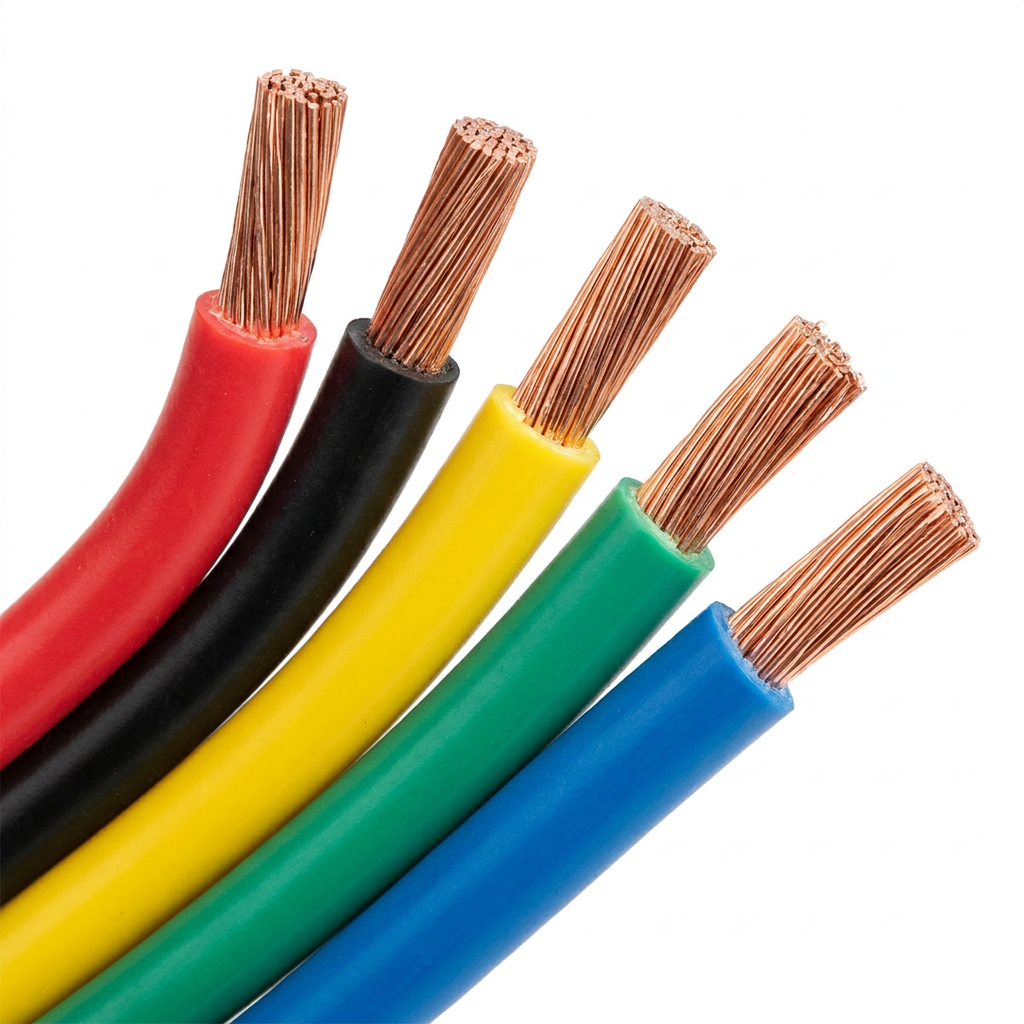
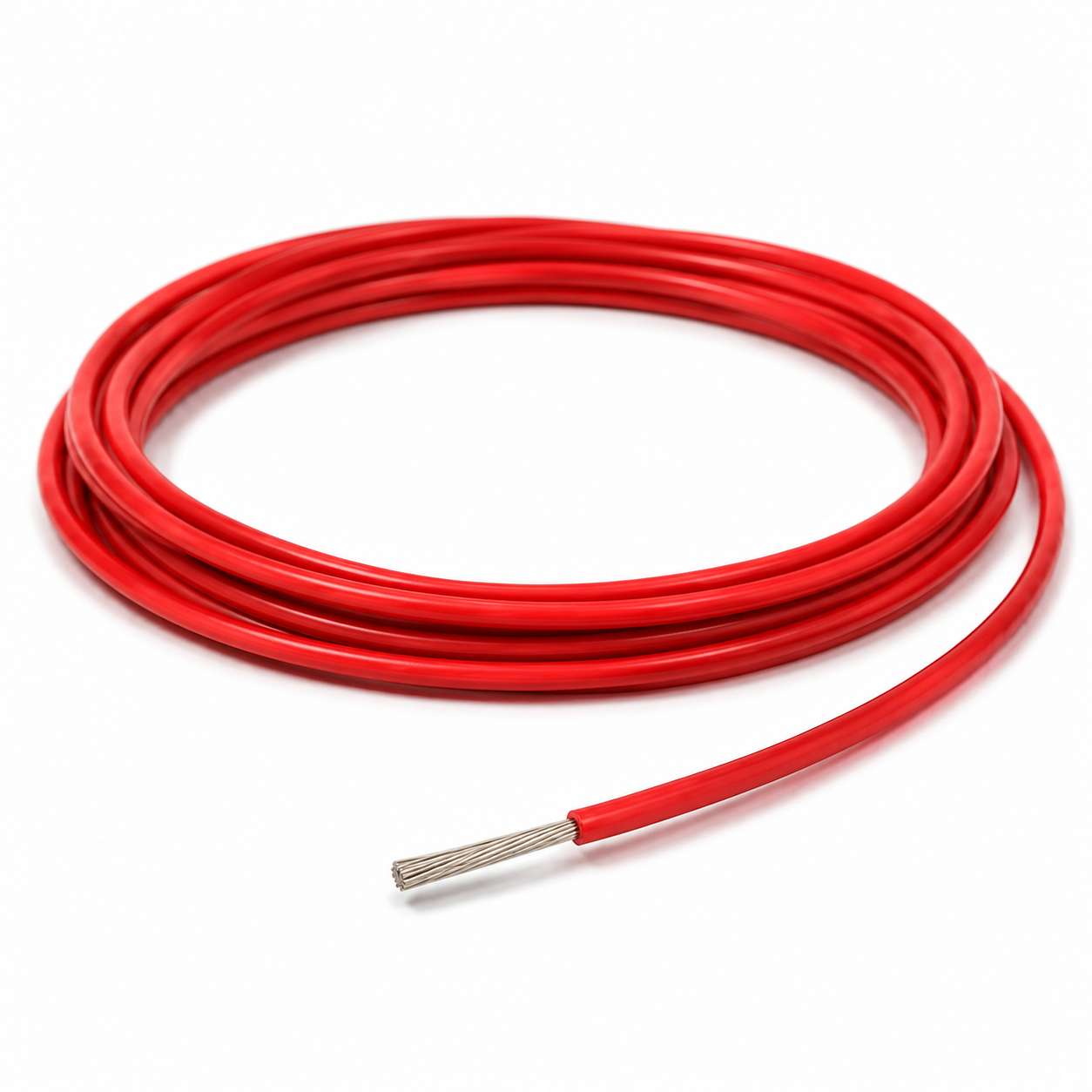
Compared to traditional AV (standard wall) and AVS (thin wall) wires, AVSS features an ultra-thin PVC insulation layer. Despite the reduced thickness, it maintains excellent electrical properties, high abrasion resistance, and remarkable flexibility. This super thin-wall design allows engineers to bundle more circuits into a single wiring harness, significantly reducing both the overall weight and the outer diameter of the harness system.
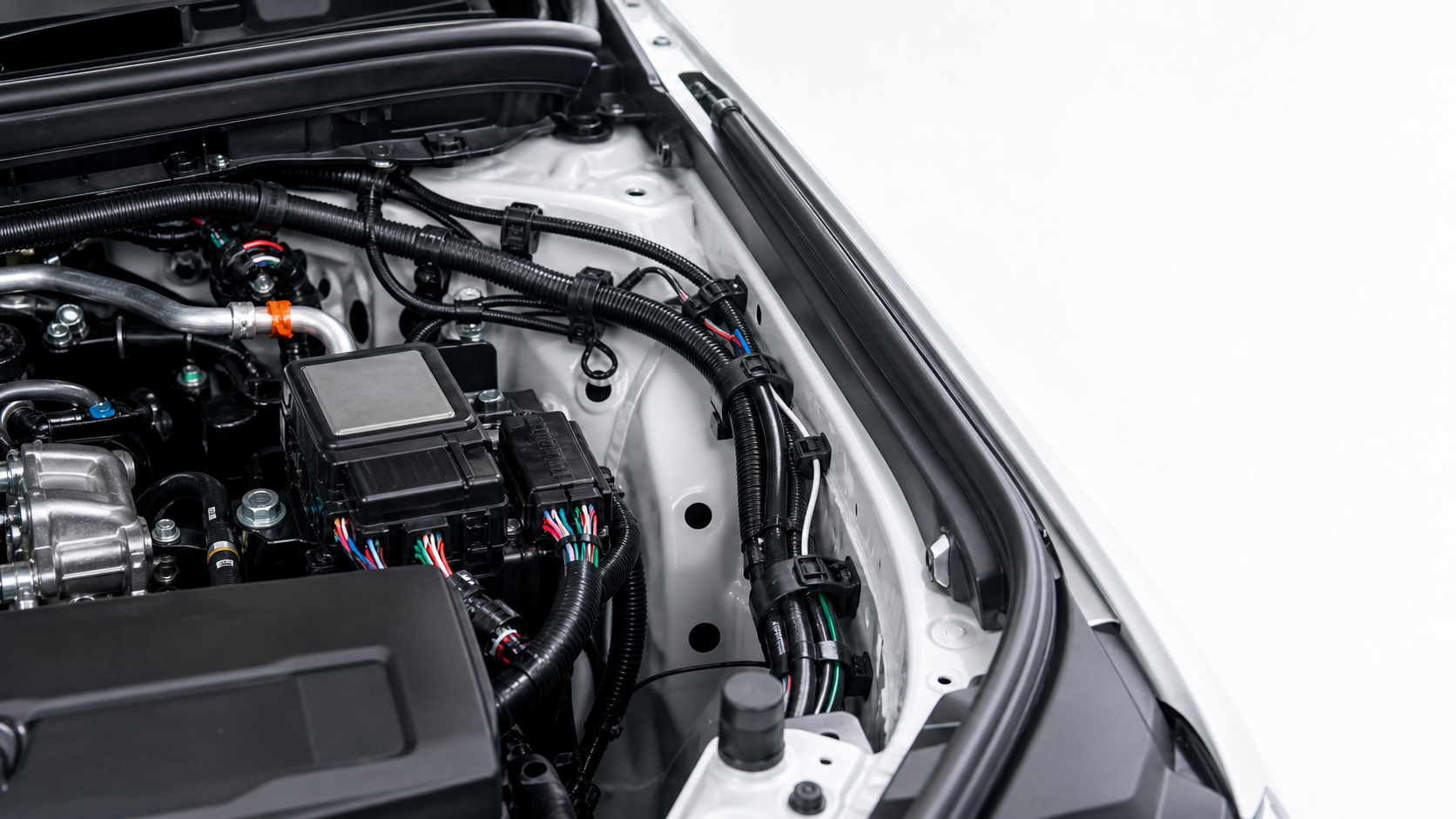
Market Analysis of Japanese Standard Automotive Wires
The global automotive wire market is undergoing a massive transformation, heavily influenced by the rise of smart vehicles and electrification. The demand for AVSS wire is experiencing unprecedented growth due to several key market drivers:
1. The Push for Vehicle Lightweighting
Weight reduction is a top priority for automotive engineers. A standard modern vehicle can contain up to 4,000 meters of wiring. By transitioning to AVSS super thin-wall cables, manufacturers can reduce the weight of a vehicle's electrical distribution system by up to 30%. This weight reduction directly translates to better fuel economy in internal combustion engine (ICE) vehicles and increased battery range in electric vehicles (EVs).
2. High-Density Electronic Integration
Today's vehicles are essentially computers on wheels, equipped with advanced driver-assistance systems (ADAS), infotainment hubs, and complex sensor networks. This requires a higher number of circuits within a limited space. The reduced diameter of the AVSS wire allows harness assembly plants to route complex electrical systems through tight automotive cavities, such as A-pillars, door panels, and instrument clusters, without compromising structural integrity.
3. Dominance of Asian Automakers and Global Standardization
Originally developed for Japanese OEMs like Toyota, Honda, and Nissan, the JASO D611 standard has now been widely adopted by global automotive manufacturers. Because of its superior space-saving characteristics, European and North American tier-1 suppliers are increasingly specifying AVSS wire for cross-platform global vehicle architectures.
Key Applications of AVSS Wire in Automotive Systems
The excellent flexibility, heat resistance (typically rated for environments up to 80°C to 100°C depending on specific formulations), and compact size of AVSS wire make it the go-to choice for low-voltage automotive circuits. Here is a breakdown of its primary applications within vehicle systems:
Engine Control Units (ECU) and Microprocessors
Modern vehicles rely on dozens of ECUs to manage everything from fuel injection to airbag deployment. AVSS wire is extensively used to connect these microprocessors. Its stable conductivity ensures that low-voltage data signals are transmitted instantly and accurately without signal degradation.
Automotive Sensor Networks
From oxygen sensors and ABS speed sensors to parking radars and temperature gauges, vehicles are packed with diagnostic equipment. These sensors are often located in extremely tight, hard-to-reach areas. The ultra-thin profile of the Japanese standard automotive wire allows for easy routing and high-flexibility connections in these confined spaces.
Interior and Exterior Lighting Systems
AVSS wire is a staple in automotive lighting harnesses. Whether it is powering LED headlights, taillights, or interior ambient cabin lighting, the wire provides reliable current transmission. Its thin insulation is particularly beneficial for routing wires through the narrow channels of rearview mirrors and roof linings.
Dashboard and Instrument Panels
The dashboard is one of the most densely packed areas in a car, housing HVAC controls, infotainment screens, and digital instrument clusters. Harness manufacturers utilize AVSS cables to create highly complex, tightly bundled harnesses that fit seamlessly behind the dashboard without interfering with mechanical components.
Why Choose Us as Your Trusted AVSS Wire Manufacturer?
While the benefits of AVSS wire are clear, the performance of your wiring harness heavily depends on the quality of the raw cable. Wire breakage, insulation cracking, or inconsistent copper purity can lead to catastrophic system failures and expensive vehicle recalls.
As a premier automotive cable manufacturer with 30 years of industry experience, we are dedicated to providing Tier-1 suppliers and harness assembly plants with zero-defect wire solutions. Here is why global buyers choose us:
1. Three Decades of Manufacturing Excellence
With 30 years of deep-rooted experience in the wire and cable industry, we possess an unmatched understanding of automotive standards. We have refined our manufacturing processes to guarantee absolute consistency across every single spool of wire we produce.
2. State-of-the-Art Production Equipment
To achieve the ultra-thin, flawless insulation required by the JASO D611 standard, we utilize world-class, high-speed extrusion lines and automated copper stranding machinery. Our advanced laser diameter gauges monitor the wire thickness in real-time during production, ensuring a concentricity rate of over 95%. This prevents weak spots in the insulation and ensures smooth processing on your automated wire cutting and stripping machines.
3. Comprehensive Qualifications and Certifications
Quality is not just a promise; it is certified. Our manufacturing facility operates under the strict guidelines of the IATF 16949 automotive quality management system. Furthermore, all our AVSS wires are rigorously tested in our in-house laboratory and comply fully with RoHS and REACH environmental directives.
4. OEM Customization and Flexible Supply
We understand that every wiring harness project is unique. We offer comprehensive customization services, including:
- Custom AWG / Cross-Sectional Areas: From 0.3mm² to 2.0mm² and beyond.
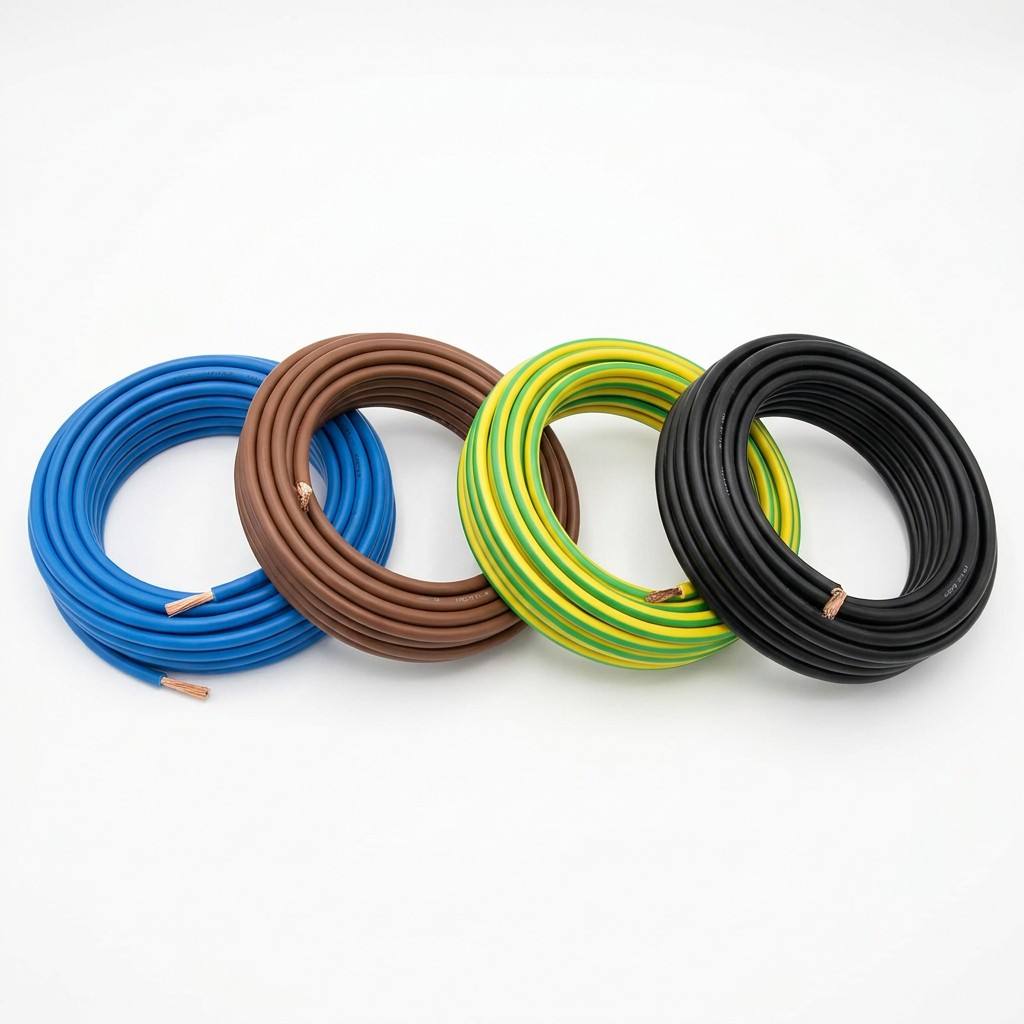
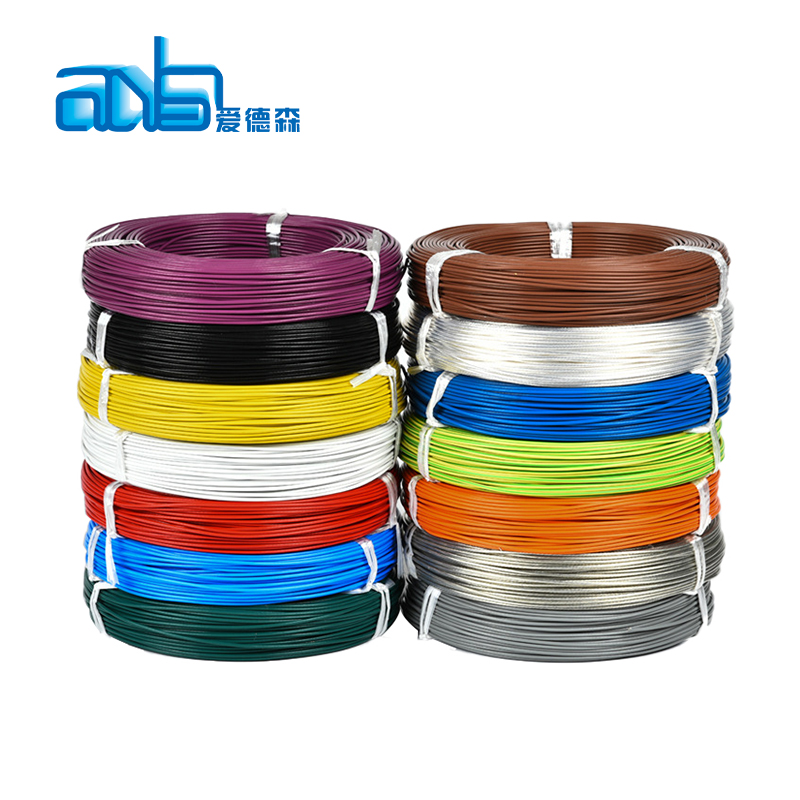
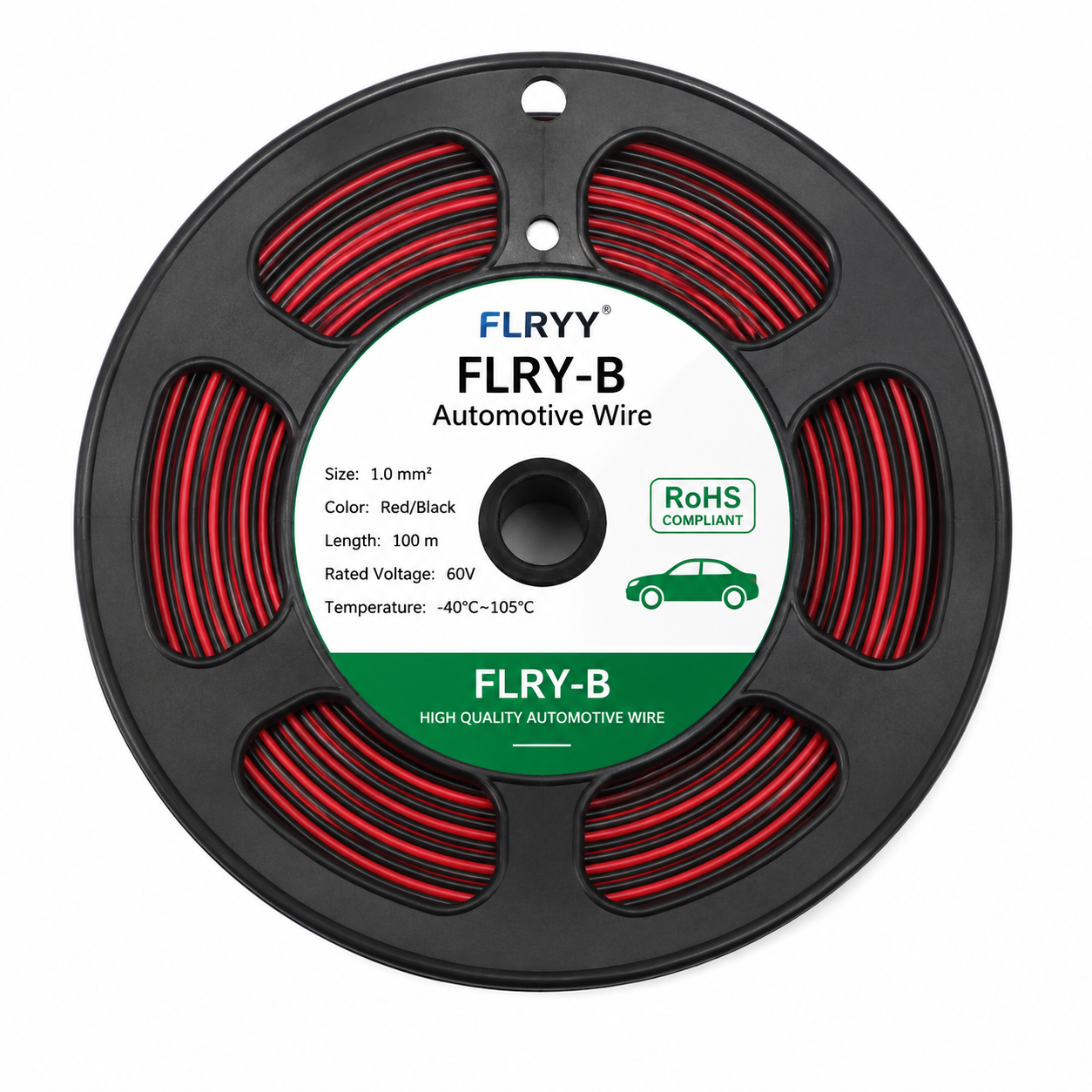
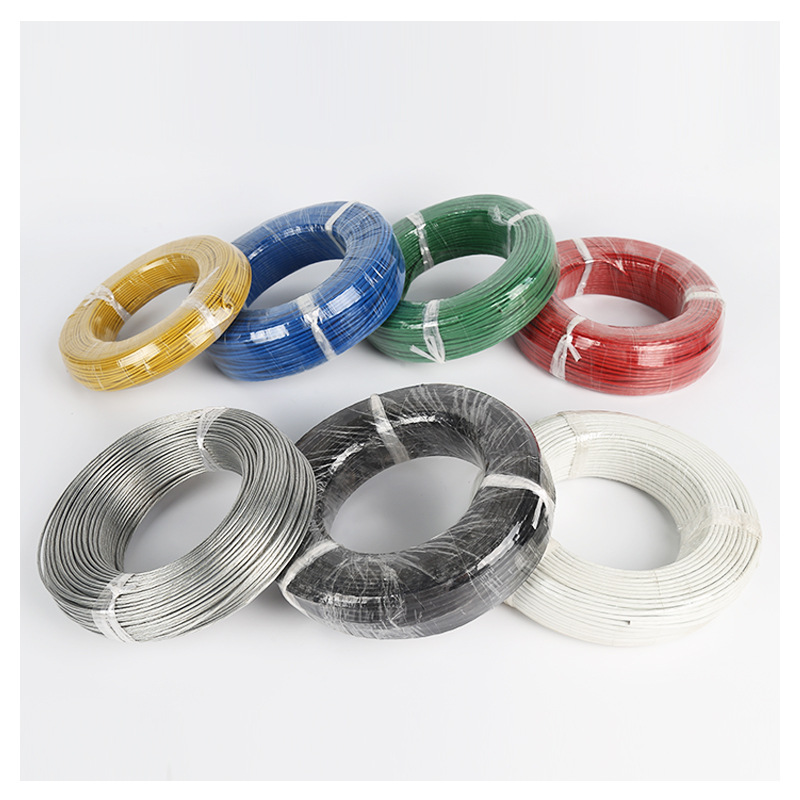
- Color Coding: A full spectrum of solid colors and customized bi-color (striped) variations for easy circuit identification.
- Packaging: Custom spool sizes to fit your specific automated harness assembly equipment.
Upgrade Your Automotive Supply Chain Today
In the highly competitive automotive manufacturing sector, sourcing reliable, standard-compliant components is the key to profitability and market reputation. By integrating our premium AVSS Japanese standard automotive wire into your assembly lines, you guarantee superior product performance, reduce vehicle weight, and streamline your production processes.
Ready to partner with a reliable source?
Do not let supply chain bottlenecks or substandard materials slow down your production. Our technical engineering team is ready to assist you with specifications, pricing, and rapid prototyping.